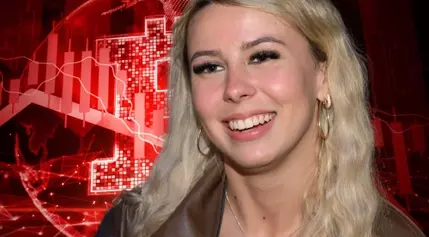
People are currently embroiled in a heated debate surrounding the "Hawk Tuah Girl" Haliey Welch and her HAWK memecoin. This incident has sparked significant attention and raised questions about the integrity of the cryptocurrency market. Unraveling the Mystery of the "Hawk Tuah Girl" and Her Memecoin
Background and Viral Fame
Whether one holds a positive, negative, or neutral stance towards Haliey Welch, it's impossible to ignore her rapid rise to fame. Her viral street interview video became a sensation, and since then, she has maintained an internet following through various collaborations and projects. The most recent of these is her HAWK memecoin, which has drawn both praise and criticism.Memecoins, in general, are cryptocurrencies inspired by internet memes or pop culture references. This aligns with Welch's path to stardom. Before the launch of the HAWK memecoin, she insisted it was more than just a cash grab. However, shortly after its launch, the coin crashed, experiencing a 91 percent decline in value. This led investors to accuse Welch of participating in a pump-and-dump scheme.
The Pump-and-Dump Scheme Explained
Investors.gov defines a pump-and-dump scheme as when fraudsters spread false or misleading information to create a buying frenzy, driving up the price of a stock or, in this case, a cryptocurrency. Once the price is inflated, the fraudsters sell their shares, causing the price to crash and leaving investors with losses. In the case of the HAWK memecoin, it seems that Welch may have been at the center of such a scheme.However, Welch has refuted these claims, stating that her "team hasn't sold one token and not 1 KOL was given 1 free token." She also added that they tried to prevent snipers by setting high fees at the start of the launch on @MeteoraAG and have since dropped the fees.
Insights from a Crypto Journalist
Stephen Findeisen, a renowned YouTuber and crypto journalist known as "Coffeezilla," shared his insights on this entire ordeal. He believes there were clear signs that the HAWK memecoin was not going to succeed. For instance, 17 percent of the tokens were sold to insiders with no lock-up period, while only 3 percent were released for public trading. Findeisen suggests that Welch may have been misinformed but was also driven by the potential for financial gain and didn't ask enough questions.He also noted that Welch didn't seem to take the situation seriously when confronted. He hopes that Welch will acknowledge the harm her actions may have caused, whether intentional or not, and take responsibility to help her fans who lost money.This incident serves as a reminder of the risks and uncertainties associated with the cryptocurrency market. It highlights the need for investors to be cautious and do their due diligence before getting involved in such ventures. As the story continues to unfold, it will be interesting to see how the situation surrounding the "Hawk Tuah Girl" and her HAWK memecoin is resolved.