
The Unspoken Truth About Drive-Thru Timers: Navigating the Fast-Food Efficiency Paradox
In a world where convenience reigns supreme, the drive-thru has become a staple of modern life. But as one woman's viral video reveals, the seemingly straightforward process of ordering and receiving your food may be hiding a deeper layer of complexity. From the pressures faced by fast-food workers to the evolving landscape of drive-thru technology, this article delves into the unspoken truths behind the drive-thru experience.Uncovering the Drive-Thru Efficiency Paradox
The Tug-of-War Between Efficiency and Customer Satisfaction
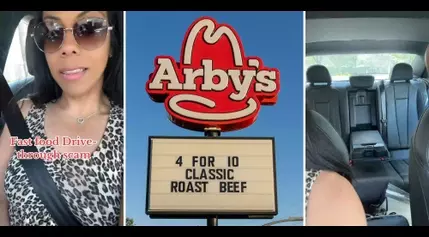
The drive-thru experience has long been touted as a hallmark of convenience, allowing customers to quickly and effortlessly obtain their desired meals. However, as Rikki, a TikTok user, discovered, the reality may not always align with this perception. Her viral video highlighted the frustration many customers feel when asked to "pull up" and wait for their order, a common practice in the industry.Rikki's primary concern was that this request was not about customer service, but rather a "scam" to manipulate drive-thru timers and appease corporate oversight. She argued that by asking customers to pull aside, fast-food establishments could create the illusion of efficiency, even if the actual service time was longer than promised. This raises questions about the true priorities of these businesses and the extent to which they are willing to prioritize their own metrics over the satisfaction of their customers.
The comments section of Rikki's video revealed that her frustration was shared by many, with some users even suggesting ways to game the system, such as requesting discounts or freebies in exchange for complying with the "pull up" request. This highlights the growing divide between the drive-thru's promise of speed and convenience and the reality of the operational challenges faced by fast-food establishments.
The Pressure of Drive-Thru Timers
The existence of drive-thru timers is a well-documented phenomenon in the fast-food industry. These metrics, which track the time it takes for a customer to complete their order, have become a source of immense pressure for employees. As one Wendy's worker commented, they are often required to "move the cars" to maintain their drive-thru times, even if it means compromising the customer's experience.This pressure to meet drive-thru time targets can lead to a range of unintended consequences, from rushed service to the prioritization of speed over quality. It also raises questions about the fairness of these metrics, as they may not accurately reflect the true complexity of the drive-thru experience, which can be influenced by factors beyond the control of the employees.
The drive-thru timer issue is not limited to a single fast-food chain; it is a widespread industry practice that has drawn the ire of both employees and customers. The desire to maintain a competitive edge and appease corporate oversight has led to a system that, in some cases, may be at odds with the very principles of customer service that drive-thrus were meant to embody.
The Evolving Landscape of Drive-Thru Technology
As the pandemic has reshaped consumer behavior, the drive-thru has become an even more crucial component of the fast-food industry. In response, many chains have invested in technological solutions to streamline the process and improve efficiency.From the introduction of mobile ordering and curbside pickup to the experimentation with AI-powered order-taking, the drive-thru landscape is undergoing a significant transformation. These innovations aim to address the increased demand for drive-thru services while also reducing the burden on employees and improving the overall customer experience.
However, as with any technological advancement, there are concerns about the potential unintended consequences. The reliance on AI-powered order-taking, for instance, raises questions about the impact on human-to-human interaction and the ability to address complex customer needs. Additionally, the push for more drive-thru lanes and the prioritization of speed over personalization may further erode the sense of connection and community that some customers seek in their dining experiences.
Balancing Efficiency and Customer Satisfaction
The drive-thru conundrum highlights the delicate balance that fast-food establishments must strike between efficiency and customer satisfaction. While the industry's focus on speed and metrics is understandable, it is crucial that they do not lose sight of the fundamental purpose of the drive-thru: to provide a convenient and enjoyable experience for their customers.As the drive-thru landscape continues to evolve, it will be essential for fast-food chains to engage in open and transparent communication with their customers. This includes addressing concerns about the use of drive-thru timers, the "pull up" request, and the overall prioritization of operational metrics over customer needs.
By fostering a culture of collaboration and empathy, fast-food establishments can work to bridge the gap between their internal efficiency goals and the expectations of their customers. This may involve rethinking the drive-thru experience, exploring new ways to incentivize customer compliance, and investing in employee training to ensure a more holistic approach to customer service.
Ultimately, the drive-thru conundrum is a complex issue that requires a nuanced understanding of the industry's challenges and the evolving needs of its customers. By embracing transparency, innovation, and a customer-centric mindset, fast-food chains can navigate this paradox and deliver an experience that truly meets the expectations of the modern drive-thru consumer.